No-Knead Sally Lunn Bread: A Sweet & Simple Family Favorite
Imagine a bread so wonderfully soft, subtly sweet, and comforting that it instantly transports you back to cherished family gatherings or perhaps even the cobblestone streets of an ancient English town. Now, imagine making this bread with minimal effort, no intensive kneading required, leaving you more time to savor its aroma and anticipate its first delicious bite. This, dear reader, is the magic of Sally Lunn bread – a beloved classic that promises warmth, flavor, and simplicity in every slice.
For generations, Sally Lunn bread has held a special place at tables across homes and historic taverns alike. It's a bread that embodies both tradition and ease, making it a perfect addition to your baking repertoire. Whether you’re a seasoned baker or just starting your journey, this no-knead marvel offers a gratifying experience from start to finish. Let's dive into what makes this sweet and simple loaf an enduring family favorite.
The Irresistible Allure of No-Knead Sally Lunn Bread
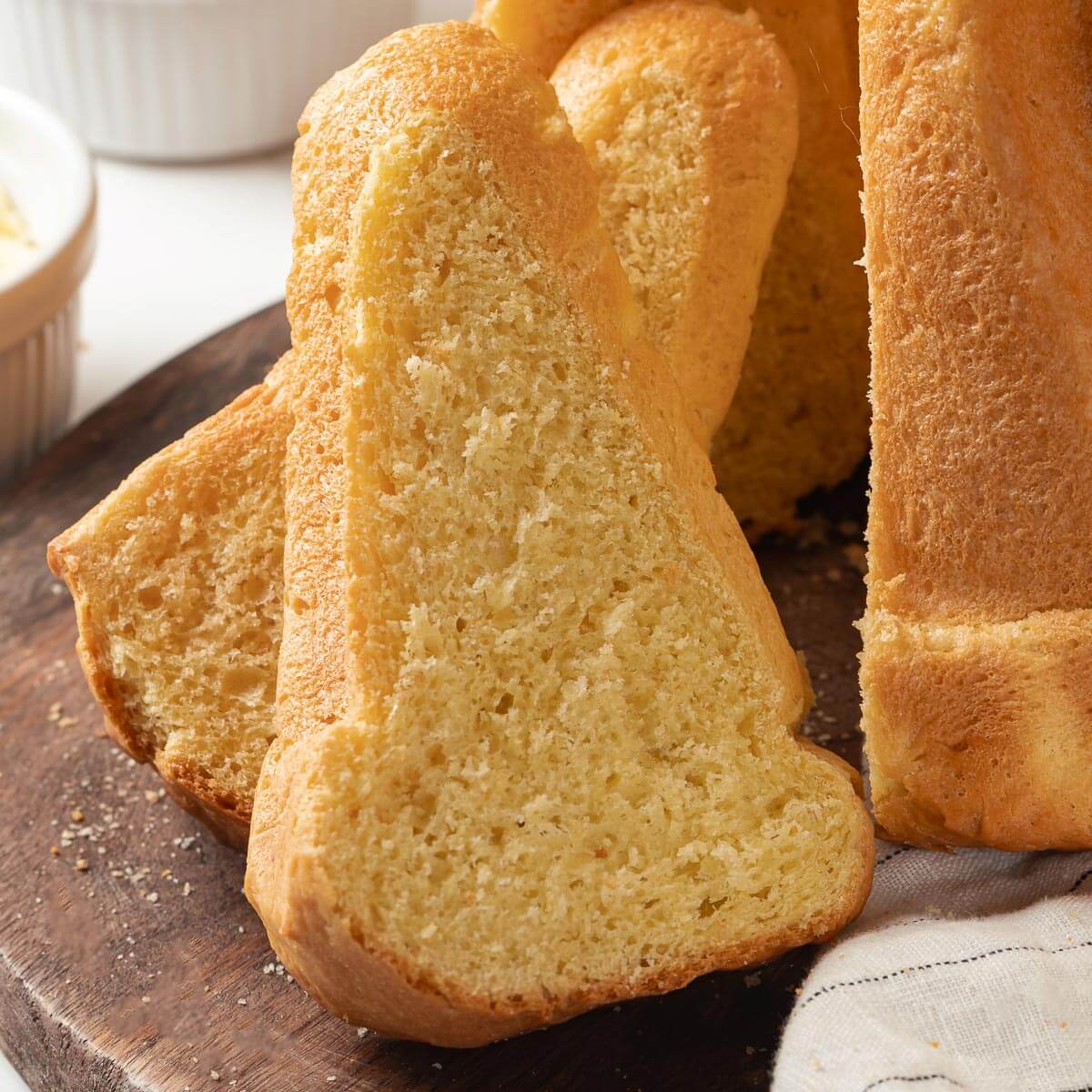
What sets Sally Lunn bread apart from other sweet breads? It’s a delightful combination of texture, taste, and an astonishingly straightforward preparation. Often described as a large bun or a tea cake, its interior is wonderfully soft, spongey, and light – characteristics that make it utterly irresistible when served warm.
The flavor profile is delicately sweet with a rich, buttery undertone, reminiscent of a high-quality brioche but without the extensive butter and egg content or the labor-intensive kneading. This makes it a lighter yet equally satisfying alternative. A golden crust gives way to a fluffy, almost cloud-like white interior, perfectly living up to one of its possible etymological origins: "Soleil et lune," French for "sun and moon."
This sweet, brioche-like loaf is incredibly versatile. It’s perfect slathered with softened butter for supper, forming an ideal accompaniment to savory dishes. Come morning, it transforms into a decadent breakfast treat with a dollop of homemade jam or a drizzle of honey. Its comforting presence makes it a staple for weekend brunches, afternoon tea, or simply a heartwarming snack anytime you crave something special.
A Journey Through Time: The Story Behind Sally Lunn Bread
Part of the charm of Sally Lunn bread lies in its captivating, if somewhat mysterious, history. This bread isn't just a recipe; it's a culinary artifact that has been enjoyed for centuries, carrying whispers of the past with every bite. Many encounter its legend through visits to places like Colonial Williamsburg in Virginia, where its historical significance is celebrated.
However, the true heart of its origin story traces back to the 1700s, specifically to the spa town of Bath in southwest England. Details surrounding its inception are shrouded in fascinating lore, giving rise to a couple of prominent theories:
- The Solange Luyon Theory: The famous Sally Lunn Eating House in Bath claims the bread's recipe was brought to the region in the late 1600s by a Huguenot refugee named Solange Luyon, who became known locally as "Sally Lunn." She is believed to have sold these sweet buns from a bakery, popularizing them among the town's elite.
- The "Soleil et Lune" Theory: Another popular theory suggests the name is a corruption of "Soleil et lune," a French phrase meaning "sun and moon," which poetically describes the bread's beautiful golden crust and soft, pale interior.
Regardless of which theory holds the most truth, the legacy of Sally Lunn bread is undeniable. It's a testament to enduring flavors and traditions passed down through generations. To learn even more about its intriguing past, be sure to Discover the Rich History of Sally Lunn Bread & Its Origins.
Why No-Knead? The Magic of Effortless Baking
The phrase "no-knead" is music to the ears of many home bakers. In the case of Sally Lunn bread, it’s not just a marketing gimmick; it’s an integral part of what makes this bread so accessible and enjoyable to create. This is fundamentally a "batter bread," meaning the dough is more like a thick batter than a traditional stiff dough, eliminating the need for vigorous kneading on a countertop.
So, how does it achieve that wonderful texture without all the muscle work? The secret lies in a few key factors:
- High Hydration: No-knead breads typically have a higher water content, which allows the gluten to develop on its own over time, rather than through mechanical manipulation.
- Time is Your Kneader: Instead of ten minutes of intense kneading, the process relies on a longer, slower fermentation (rising) period. During this time, the yeast does its work, creating air pockets and developing flavor, while the gluten strands relax and align.
- Simple Mixing: You simply stir together the ingredients until combined, creating a loose, sticky dough or batter. This minimizes mess and effort.
Practical Tips for No-Knead Success:
- Activate Your Yeast: Always ensure your yeast is fresh and active. Proofing it in warm (not hot!) milk or water with a pinch of sugar before adding other ingredients is a foolproof first step.
- Warm Environment: Dough loves warmth to rise. Find a cozy, draft-free spot in your kitchen. If your home is cool, a slightly warmed oven (turned off!) or a sunny spot can work wonders.
- Don't Overmix: Once you've added the flour, mix just until no dry streaks remain. Overmixing can toughen the dough, even for a no-knead recipe.
- Patience is Key: While quicker than some traditional breads, allow the dough ample time to rise until visibly doubled in size. This is where the magic happens.
- Gentle Handling: After the first rise, gently deflate the dough and transfer it to your prepared baking pan. Avoid rough handling to preserve the delicate air pockets.
Embracing the no-knead method makes baking homemade bread less intimidating and incredibly rewarding. It’s perfect for those busy weekdays or relaxed weekends when you want that fresh bread aroma without the fuss.
Serving Suggestions and Culinary Creativity
The beauty of Sally Lunn bread lies not just in its ease of preparation but also in its incredible versatility at the table. Here are some inspiring ways to enjoy this sweet and simple loaf:
- The Classic Spread: A generous spread of softened butter is arguably the most traditional and satisfying way to enjoy Sally Lunn bread. Opt for salted butter to complement its sweetness, or try a quality unsalted butter to let the bread's flavor shine through.
- Sweet Delights:
- Jams & Preserves: Pair with your favorite fruit jam, marmalade, or fruit compote for a delightful breakfast or afternoon tea.
- Honey & Cream Cheese: A drizzle of local honey or a layer of whipped cream cheese takes it to another level of indulgence.
- Cinnamon Sugar: For a simple treat, toast a slice lightly and sprinkle with cinnamon sugar.
- Fruit Zest: Grate a little orange or lemon zest into your softened butter or cream cheese spread for a brighter flavor.
- Brunch Star: Elevate your weekend brunch spread by serving slices alongside scrambled eggs, bacon, and fresh fruit. It can even be transformed into a fantastic French toast!
- Dessert Inspiration: Lightly toast a slice, top with a scoop of vanilla ice cream, and a berry compote for a surprisingly elegant dessert.
- Savory Twists (with caution): While primarily sweet, a lightly toasted slice can serve as a delightful base for a mild, creamy cheese or a delicate pâté, offering a contrast of flavors.
- Beverage Pairings: Enjoy with a freshly brewed cup of coffee, a soothing herbal tea, or a glass of cold milk for the ultimate comfort experience.
Don't be afraid to experiment! The subtle sweetness of Sally Lunn bread provides a fantastic canvas for various toppings and accompaniments, making it a truly adaptable loaf for any meal or occasion.
From its intriguing historical roots in Bath, England, to its comforting presence on modern family tables, No-Knead Sally Lunn Bread truly is a culinary gem. Its effortless preparation, delightful sweetness, and versatile nature make it an ideal choice for both novice and experienced bakers alike. So, gather your simple ingredients, stir, let it rise, and prepare to fill your home with the irresistible aroma of this timeless family favorite. It’s more than just bread; it’s a taste of history, a hug of comfort, and a testament to the joy of simple, delicious baking.
